
Good Health

Giving All Babies A Healthy Start

During the first three years, the brain and body grow at an immense rate, forming over 1 million new neural connections every second. Every moment matters to ensure healthy physical, emotional and cognitive development. Timely access to services for babies and their caregivers is essential for babies to get care when it can have the greatest impact, so that short-term concerns do not turn into lifelong conditions.
The Problem

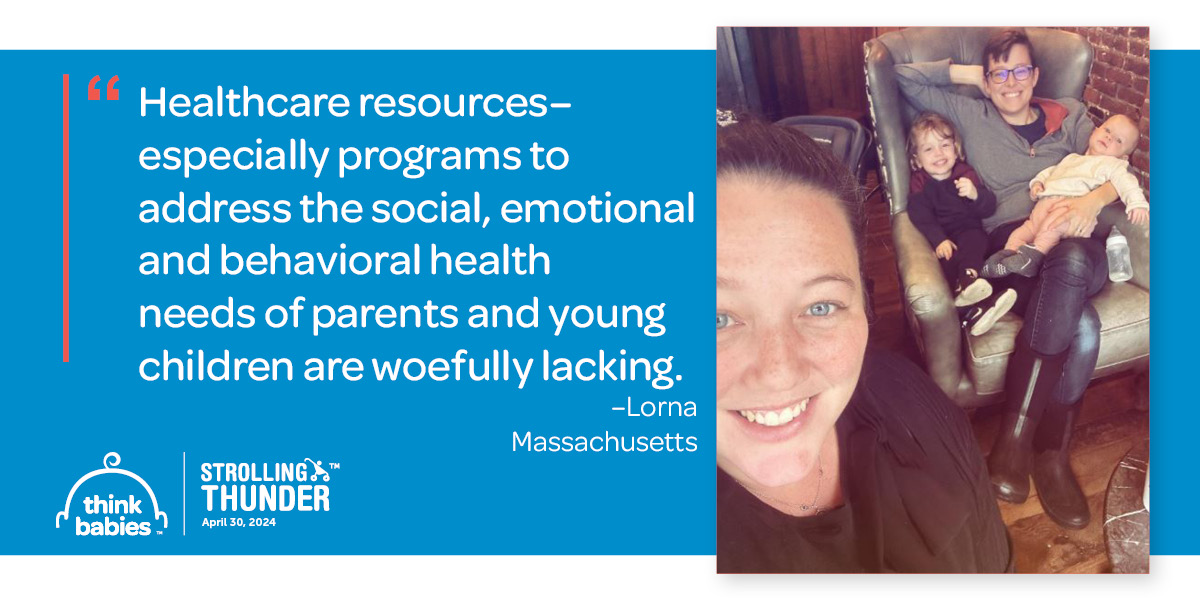
Many babies and families face barriers to accessing physical, mental and developmental care. While existing federal investments are essential, they are not enough to ensure health coverage or access for babies or their caregivers, or to ensure a sufficient workforce, placing the development of young children at risk. Sustained federal investments are essential to ensuring parents remain healthy enough to care for their children, that problems are caught and addressed early, and that babies get the care they need.

The Solution: Federal Investments that Keep Babies on Track 

Medicaid enables babies, their caregivers, and pregnant women to access essential health care. It covers check-ups, developmental screenings, and mental health care, and keeps the doors open for everyone at hospitals and clinics—especially in rural and underserved communities.

IDEA Part C funds early intervention services for infants and toddlers with developmental delays. It connects families to services early—when they are most effective—helping children reach milestones and reducing the need for more costly services later.

Infant & Early Childhood Mental Health (IECMH) Grants & Project LAUNCH are the only federal programs focused on ensuring access to mental health services when they can have the biggest impact, building systems and funding innovative services. They work together to expand screening, prevention, and intervention and integrate behavioral health into pediatric care, child care, and home visiting.

Early Childhood Development Expert & Transforming Pediatrics for Early Childhood place early child development specialists in community health centers and local pediatric and primary care settings. Grantees address parents’ concerns where they’re most likely to seek help, identify problems early, and ensure families get timely support.

Babies need Congress to

  • Oppose cuts to Medicaid to ensure babies and those who care for them can access the care they need for a strong, healthy start.
  • Increase funding for early intervention through Medicaid and the Individuals with Disabilities Education Act (IDEA) Part C to ensure young children stay on track.
  • Increase investment in early childhood health and mental health, including through SAMHSA’s Infant and Early Childhood Mental Health Grant Program, SAMHSA’s Project LAUNCH, HRSA’s Early Childhood Development Expert program and HRSA’s Transforming Pediatrics for Early Childhood program.

Mental health is formed in our earliest days, even before birth.  Learn More. 

Take Action

Urge your policymakers to invest in the programs that support babies’ health and development.

41% of births in the U.S. are covered by Medicaid and nearly half of children in the U.S. are enrolled in Medicaid or the Children’s Health Insurance Program (CHIP).

About 1 in 6 children experience a developmental or health challenge, including early mental health needs—many of which begin in infancy.

Early intervention programs have been found to increase children’s social, emotional, and physical well-being, including in educational settings.

Children who participate in programs that embed early childhood expertise in pediatric practices are 23% less likely to visit the emergency room for injuries in a 1-year period.

Advocacy Tools & Resources

How to Talk about IECMH: Use this infographic to help define infant and early childhood mental health and talk about social and emotional development.


State of Babies Yearbook: 2023: Use national and state-by-state data on the well-being of infants and toddlers to call on federal, state, and local policymakers to improve outcomes for babies and families.